BREAKING BARRIERS IN KIGEZI: STAKEHOLDERS UNITE TO PROTECT CHILDREN AND EXPAND ACCESS TO SEXUAL AND REPRODUCTIVE HEALTH RIGHTS
Communities, Government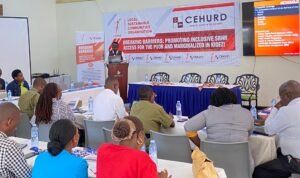 and Civil Society Call for Urgent Investment in Child Protection, Justice and Inclusive SRHR
Across Uganda’s Kigezi Sub-region, too many children and marginalized communities continue to face barriers that deny them access to sexual and reproductive health and rights (SRHR), justice, and protection. Poverty, child marriage, sexual exploitation, weak parental support, and unequal access to essential services continue to expose thousands of women, girls, boys, and vulnerable groups to preventable harm.
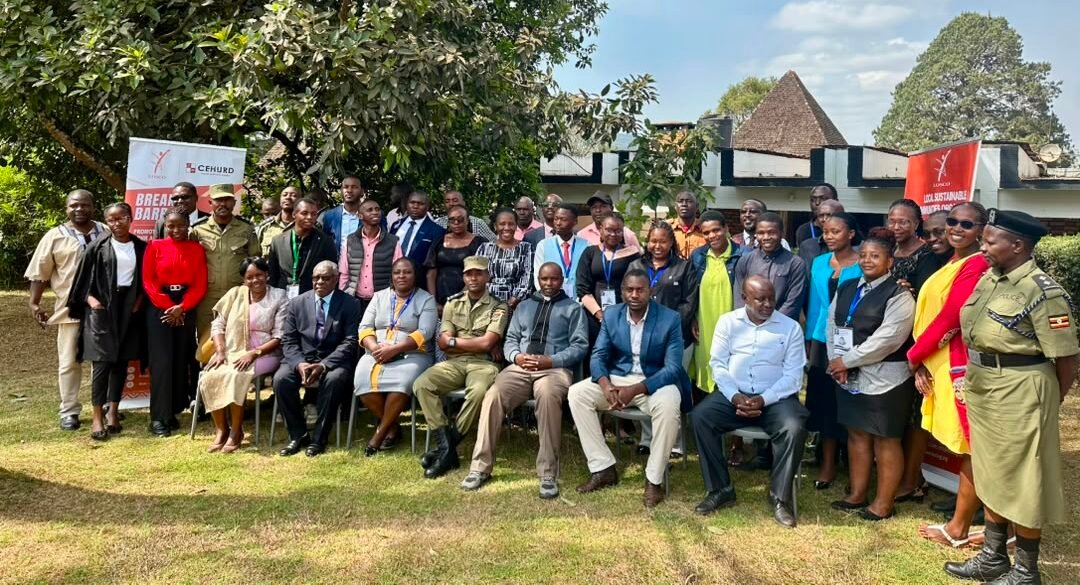
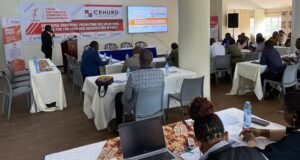 To address these growing challenges, the Local Sustainable Communities Organisation (LOSCO) convened a multi-stakeholder dialogue at White Horse Inn in Kabale Municipality under the theme:
“Breaking Barriers: Promoting Inclusive SRHR Access for the Poor and Marginalised in Kigezi.”
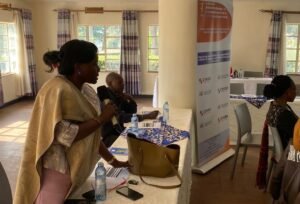
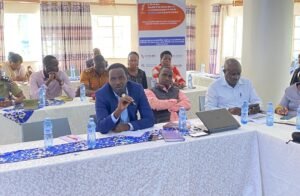
The dialogue brought together representatives from the Justice, Law and Order Sector (JLOS), Uganda Police Force, the health sector, local government, civil society organizations, community leaders, and human rights advocates to identify practical solutions for improving access to justice and SRHR services.
 Children Need Protection, Starting at Home
One of the strongest messages emerging from the dialogue was the urgent need to restore parental responsibility as the first line of protection for children.
Participants observed that inadequate parental guidance, economic hardship, and weakened family support systems are contributing to rising cases of child marriage, school dropout, sexual exploitation, teenage pregnancy, and violence against children.
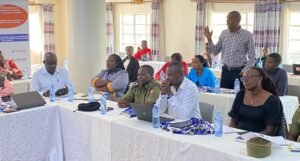 Stakeholders emphasized that protecting children requires families, schools, community leaders, and institutions to work together to provide guidance, supervision, and safe environments where every child can thrive.
The Boy Child Must Not Be Left Behind
A recurring concern throughout the discussions was the increasing neglect of the boy child.
While recognizing the importance of continued investment in girls’ empowerment, participants noted that many boys are growing up without adequate mentorship, counselling, or positive role models. This leaves them vulnerable to violence, substance abuse, criminal behaviour, online exploitation, and poor life outcomes.
Speakers called for balanced programming that protects and empowers both girls and boys while strengthening families as a whole.
Access to Justice Is a Fundamental Human Right
His Worship Emeritus Sande Ndabamanya Ben Duncan reminded participants that every child and every marginalized person has the right to justice whenever their rights are violated.
He challenged communities to stop treating child marriage as a private family issue and instead recognize it as a serious violation of children’s rights requiring immediate intervention.
He further urged parents, local leaders, police, and justice institutions to actively report and respond to abuse rather than allowing harmful practices to continue because of economic interests such as bride price.
Economic Empowerment Is Child Protection
Kabale District Health Officer Dr. Gilbert Mateeka highlighted poverty as one of the strongest drivers of child marriage, sexual exploitation, school dropout, and poor access to SRHR services.
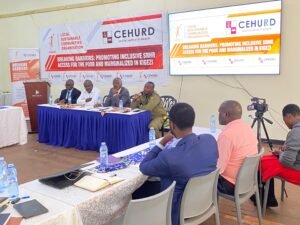 He emphasized that sustainable child protection cannot be achieved without strengthening household livelihoods.
Dr. Mateeka called for inclusive economic empowerment programmes targeting both women and men, recognizing that shared decision-making within families contributes to better child protection, improved health outcomes, and stronger community resilience.
Protecting Children in the Digital Age
ASP Arnold Ndagije, Legal and Human Rights Officer for Kigezi Regional Police, warned that unrestricted access to harmful online content is exposing many young people to increasing risks.
He encouraged parents and guardians to actively supervise children’s use of mobile phones and digital platforms while promoting responsible digital behaviour, positive values, and open family communication.
Evidence Driving Action
The dialogue forms part of LOSCO’s flagship initiative, “Breaking Barriers: Promoting Inclusive SRHR Access for the Poor and Marginalised in Kigezi.”
Through a comprehensive baseline assessment, LOSCO has been documenting the lived experiences of marginalized communities while examining the effectiveness of Justice, Law and Order Sector institutions in responding to SRHR violations.
The evidence generated is informing policy dialogue, community advocacy, institutional strengthening, and locally led interventions designed to remove the structural, social, legal, and economic barriers that prevent vulnerable populations from accessing quality health services and justice.
By combining community voices with evidence-based advocacy, LOSCO is helping shape more responsive and inclusive systems that leave no one behind.
Why This Work Matters
For many families across Kigezi, access to justice and sexual and reproductive health services is not simply a health issue—it is a matter of dignity, equality, safety, and human rights.
Without coordinated action:
Children remain vulnerable to exploitation and abuse.
Child marriage and school dropout continue to undermine future opportunities.
Marginalized communities remain excluded from essential health and justice services.
Poverty continues to fuel cycles of inequality and violence.
Investing in inclusive SRHR and child protection is therefore an investment in stronger families, healthier communities, accountable institutions, and sustainable development.
 Join LOSCO in Breaking Barriers
LOSCO is committed to working alongside government institutions, civil society organizations, development partners, community leaders, and citizens to build a future where every person—regardless of age, gender, disability, income, or social status—can access quality sexual and reproductive health services, justice, and protection.
As we expand this initiative across the Kigezi Sub-region, we invite donors, foundations, corporate partners, and development agencies to support community-led solutions that protect children’s rights, strengthen families, improve access to justice, and promote inclusive, rights-based development.
 “Together, we can break barriers, protect vulnerable communities, and ensure that no one is left behind”.